
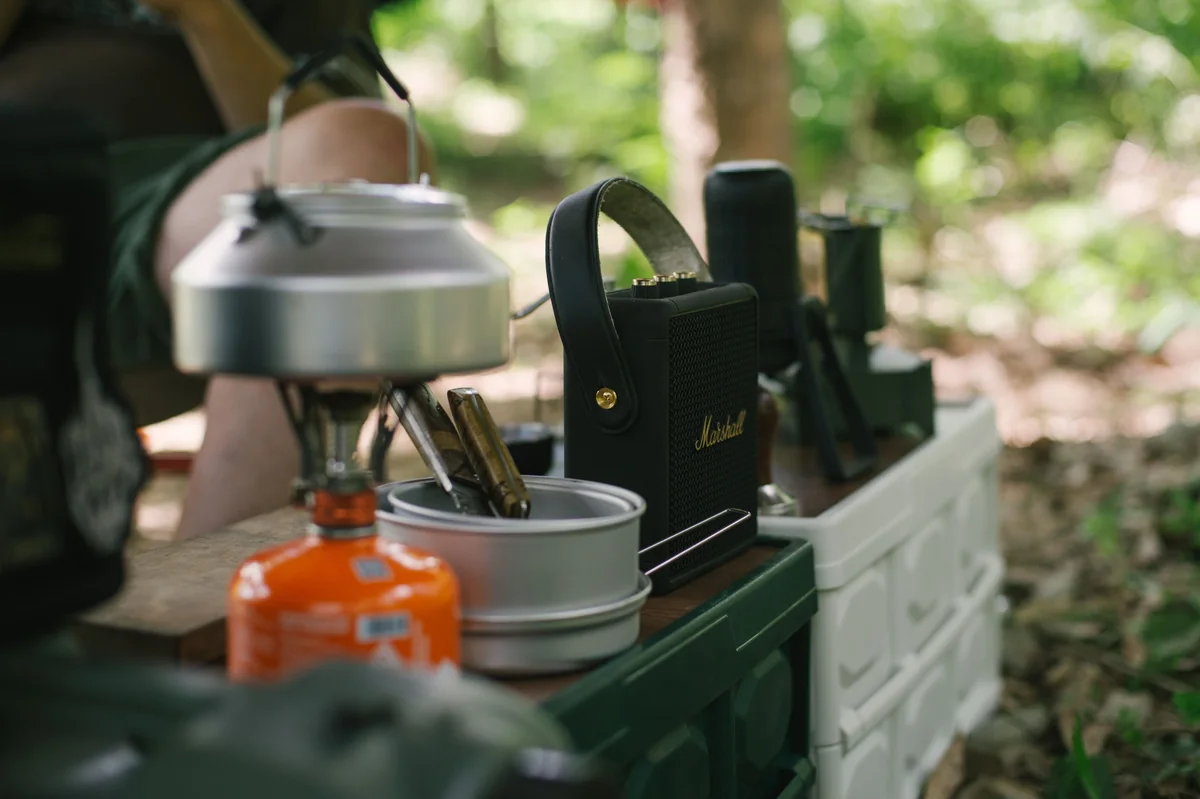
Your first family camping trip in Coastal Virginia does not need a complicated itinerary or a car full of specialized gear. It needs a campsite that fits, a comfortable way to sleep, straightforward meals and a weather plan everyone understands. Start with a short stay at a developed campground, where the logistics are easier to learn.
Choose the site before buying more equipment
Virginia State Parks distinguishes developed campsites, with access to bathhouses, from primitive camping with fewer facilities. Water and electrical connections vary by site. Read the actual reservation description and map: where will the car be, how far is the bathroom, and will the tent and its guy lines fit inside the designated space? Virginia State Parks camping information.
For a Virginia Beach family, a nearby developed campground can make the first attempt manageable. Set a modest goal: eat dinner outside, take a short walk and sleep at camp. Coastal Virginia’s range of waterfront and inland settings gives you room to increase the adventure later. Choose the trip for the least experienced person in the group, rather than the most enthusiastic adult.
Pack these essentials in usable groups
- Sleep: A complete tent with rainfly, stakes and required poles; sleeping pads; bedding suited to the forecast overnight temperature; pillows; and dry sleep clothes. Test the tent at home before departure.
- Clothing: Rain layers, an extra warm layer, spare socks, walking shoes and a separate bag for wet or sandy items. Pack each child’s complete spare outfit together.
- Light and power: Headlamps or flashlights, spare batteries and a charged phone with a power bank. Keep a light where each adult can find it after dark.
- Food and water: Drinking water, refillable bottles, easy meals, utensils, a cooler with ice for perishable food, and the cooking equipment your menu requires. Include a meal that does not depend on lighting a fire.
- Comfort and cleanup: Sunscreen, insect repellent, personal medications, a first-aid kit, toiletries, towels, hand-cleaning supplies and trash bags. Bring a familiar bedtime item for younger children.
This grouping adapts the National Park Service’s camping essentials to a short family stay. A useful packing test is to walk through dinner, bedtime and a bathroom trip in your head. Missing a can opener or a child’s light is easier to fix before leaving home.
Give coastal weather its own plan
Check the forecast for the campground’s location, including wind, overnight temperatures and relevant flood or beach alerts. The National Weather Service’s Wakefield office provides local forecasts and coastal hazard information. A pleasant afternoon forecast alone does not describe conditions through the night.
Identify a safe lightning shelter before unpacking. A tent or open picnic shelter does not protect you from lightning. If thunder is audible, move to a substantial enclosed building or enclosed, hard-topped metal vehicle with the windows closed, and wait at least 30 minutes after the last thunder before resuming outdoor activities. Follow park staff instructions during severe weather. National Weather Service lightning guidance.
Keep cooking and the first evening simple
Make the campfire optional. Virginia State Parks asks campers to obtain firewood locally, use designated grills or rings where fires are permitted, attend the fire and extinguish it before leaving. Current burn restrictions take precedence over the presence of a fire ring. State park camping rules. Use camp stoves outside tents and enclosed sleeping spaces, following the manufacturer’s instructions.
Arrive with enough daylight to set up, find the bathroom and agree on where children may go with an adult. Give everyone one manageable job. The next morning, record what you actually used and what you missed. That short list is a better guide to the next trip than buying every camping accessory at once.
Official sources checked October 27, 2026:Virginia State Parks camping; National Park Service packing guidance; NWS Wakefield; NWS lightning safety; Virginia State Parks FAQs; NSW National Parks stove safety. Confirm current park alerts before departure.