
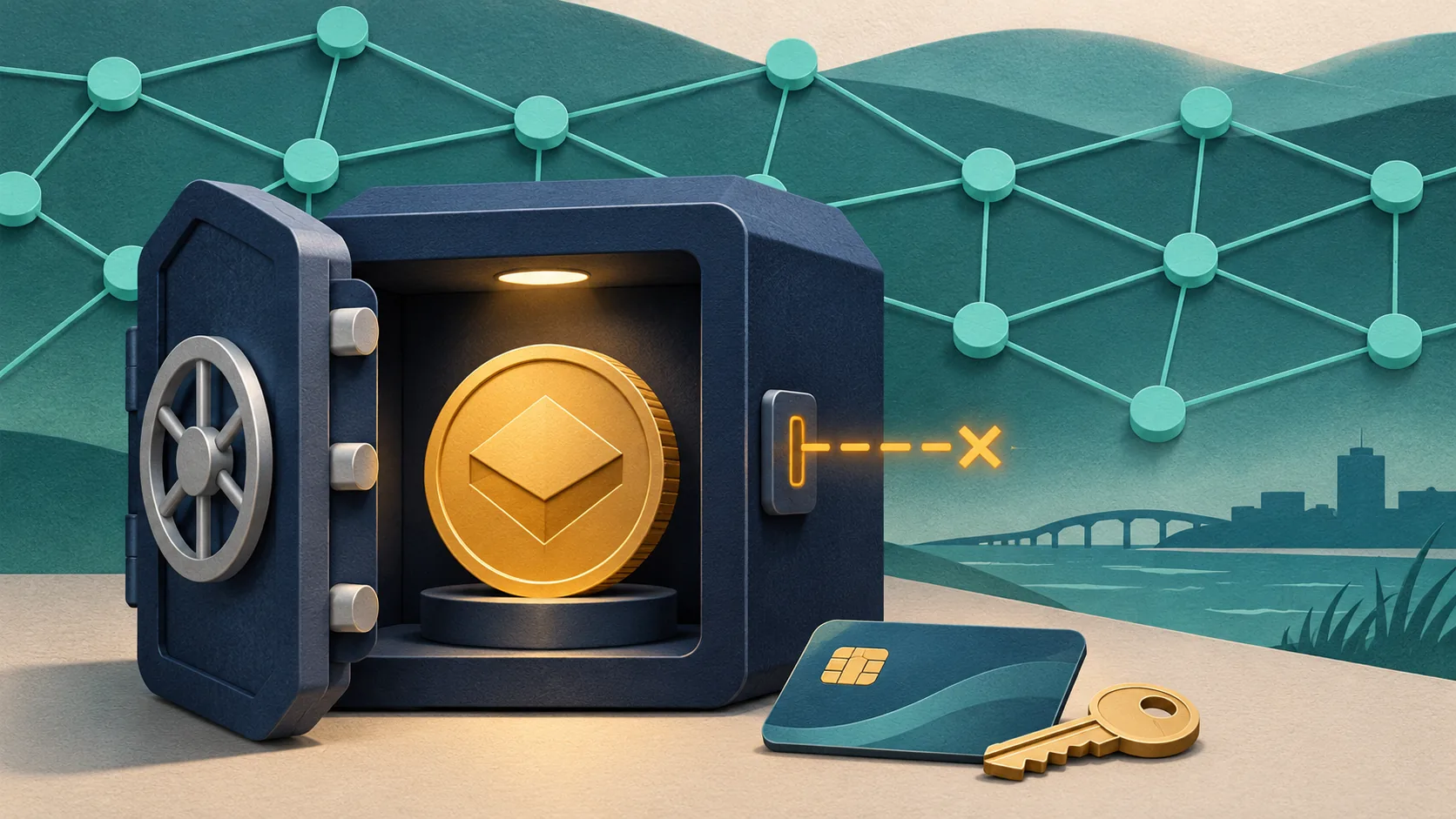
A cryptocurrency theft measured in billions can feel far removed from a local business. The October 2026 attack on Binance raises a more familiar question: how much damage could someone cause after gaining access to one trusted part of an organization?
For Hampton Roads owners, the useful takeaway is about the systems that authorize transactions, the people who can use them and the checks that should stand between a suspicious request and money leaving an account.
What has been confirmed
In an October 31 notice, the FBI attributed the theft of more than $6 billion in virtual assets from Binance, on or about October 29, to North Korean activity it calls TraderTraitor.
Binance put the estimated impact at approximately $6.3 billion. Its October 30 preliminary account said a compromised engineer’s laptop might have enabled unauthorized withdrawals. The company said it had found no evidence of a wallet private-key leak and would publish a detailed report when its investigation was complete. That explanation remains preliminary.
In its November 2 update, Binance said it had covered approximately 95% of the affected amount and was continuing recovery and withdrawal restoration work. Those are the company’s statements, not an independent CVA audit of its finances or security.
Was Bitcoin itself hacked?
The official accounts describe a theft from an exchange. They do not establish that Bitcoin’s underlying network or cryptography was broken. An exchange, the accounts and applications it operates, and the blockchain on which assets move are different parts of the system.
That distinction matters when reading a “Bitcoin hack” headline. A stolen password, a compromised service or an unauthorized transfer can put assets at risk without demonstrating a failure of the currency’s underlying protocol. It also means a strong technology does not remove the need to examine how a service actually handles access.
The business question: who can move money?
Our practical lesson is to look beyond the login screen. Write down who can add a payee, change bank information, approve a transfer and remove a payment hold. Then ask whether one compromised account could perform several of those steps.
Try this hypothetical exercise with your bookkeeper and technology provider: a familiar supplier requests a new payment account while the owner is traveling. Who independently confirms the change? What happens if the request appears in a genuine email conversation? Who can stop the transfer?
The FBI’s business email compromise guidance recommends verifying payment changes through a separate, trusted channel and being cautious about urgent requests. A phone number supplied in the suspicious message should not be your verification source.
Three useful checks this week
- Review powerful accounts. Ask your IT provider to identify administrative accounts and explain which employees and outside vendors still need them.
- Check the devices behind those accounts. Confirm who manages updates, security monitoring and access removal when a device is lost or a person leaves.
- Practice the pause. Give staff a clear way to delay an unusual payment request and reach an authorized decision-maker without being penalized for checking.
The first two checks align with the NIST Small Business Quick-Start Guide, which addresses restricted access, multifactor authentication, updates and monitoring. The payment exercise is a way to put those controls into an everyday business conversation.
For more local discussion of monitoring and response, read what CVA learned from PwC’s David Klotz and his team at Coastal Authority Group’s Virginia Beach briefing.
Sources reviewed November 2, 2026. This is a developing incident; the dated company updates above should not be treated as a live service-status report.


