
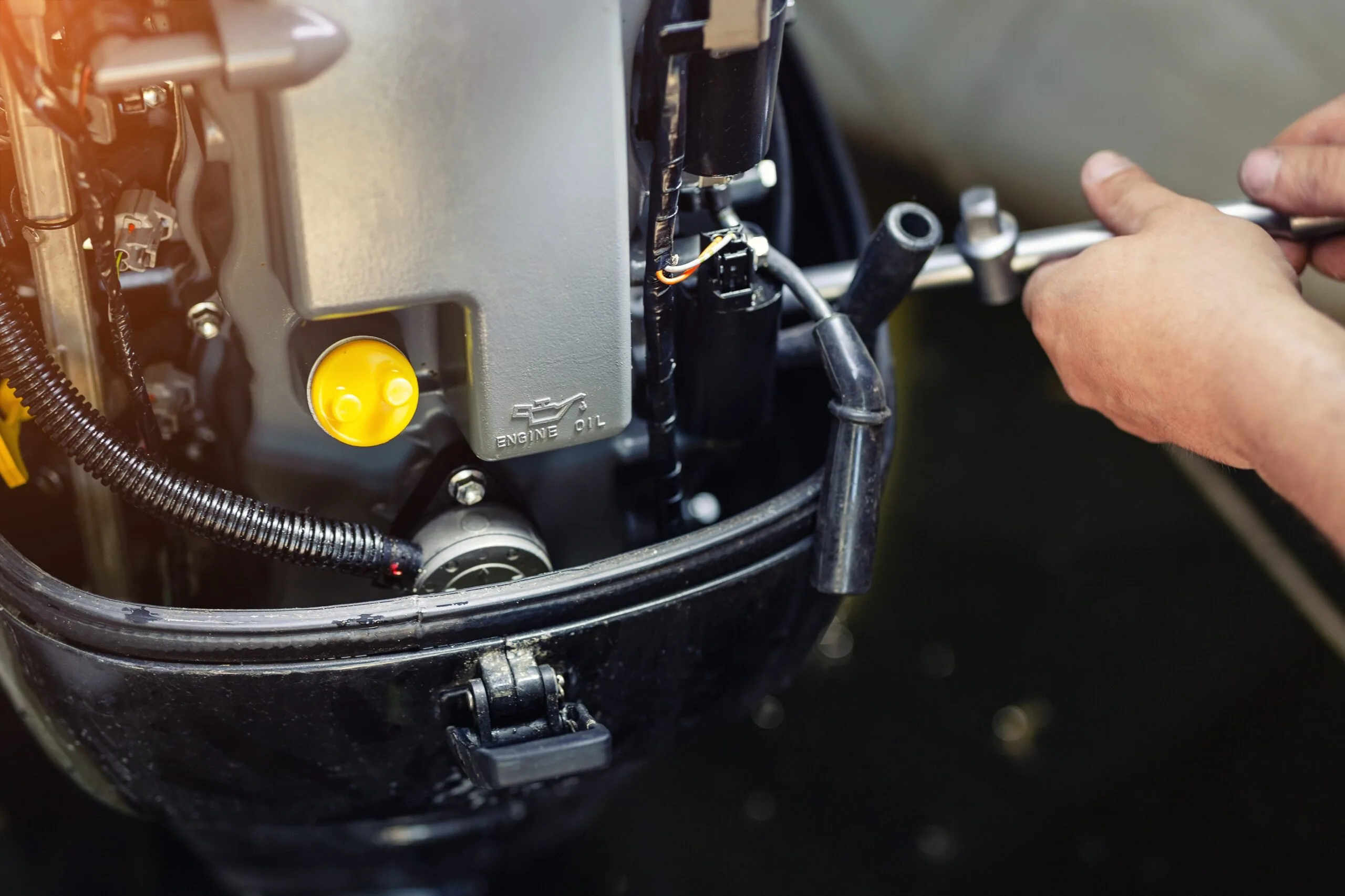
“It needs work” is not enough information to approve a repair. Whether the appointment is for a vehicle or a boat, you need to understand the problem being investigated, what the estimate covers and what happens if the technician discovers something else.
The details and applicable rules differ between automotive and marine service. This is a conversation checklist, not a diagnosis or a statement that every shop follows the same terms.
Describe what happened before naming the repair
Tell the service writer what you noticed, when it happens and whether anything changed recently. Bring maintenance records and any messages, photographs or other observations that can be shared safely. Avoid making a symptom sound like a confirmed cause.
A useful description might be, “The sound begins after the equipment has been running for several minutes.” That is a hypothetical example. Let the technician determine what inspection or testing is needed.
Separate diagnosis from the proposed work
Ask what the diagnostic charge includes, whether further testing needs approval and when you can expect an explanation. Request a written estimate describing the work, parts, labor and other applicable charges. Ask whether the quoted amount includes the investigation already performed.
The FTC’s auto-repair guidance explains the value of understanding estimates and shop policies. For a marine repair, ask the provider to spell out its own terms, including any hauling, storage, transport or subcontracted work relevant to your boat.
Agree on the approval process
Identify the person who may authorize work, the preferred contact method and what the shop should do if that person cannot be reached. Ask it to explain new findings and obtain the required approval before expanding the assignment.
Separate the reported problem from additional maintenance recommendations. Ask which items relate to safe operation, which address the original complaint and which can be scheduled later. If you do not understand an explanation, request a clearer one before making the decision.
Ask about parts and the written warranty
Discuss the type of replacement parts proposed and any alternatives appropriate to the equipment. Ask what the warranty covers, who provides it, its time or usage limits and how a problem would be handled. Do not assume all repairs come with the same coverage.
For a vehicle, check NHTSA’s official recall tool using the requested identifying information. A recall search is separate from a maintenance recommendation or a diagnosis; discuss relevant results with the manufacturer or an authorized service contact.
Keep a useful completion record
At pickup, review the final invoice against the approved work. Ask what was completed, what remains unresolved and whether any follow-up is required. Save the invoice and written warranty with your maintenance records.
The question to keep handy: “What am I authorizing today, and what would require another conversation?” A clear answer helps both you and the service provider.

_(4004696189).jpg)
.jpg)
