
York County, Virginia
A Yorktown Walk With Two Perspectives: Main Street and the Waterfront
For a rewarding Yorktown outing, give the village above the river and the waterfront below it their own time. The change in elevation is also a change in perspective on the town.
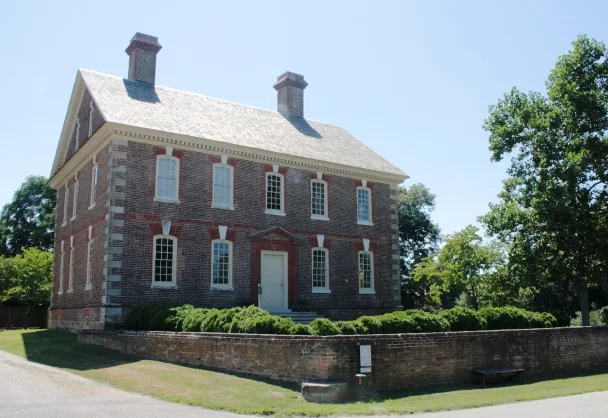
Begin with the shape of the place
Yorktown is easier to understand when you first notice its two levels. Main Street follows the bluff, while Water Street runs beside the York River. The National Park Service’s history describes a port town in which homes and public buildings developed above the wharves and warehouses. That arrangement gives today’s visitor a useful way to plan a walk: treat the village and waterfront as complementary parts of one outing. You do not have to cover everything. Choose the part that matters most to you first, then leave space for the other if time, weather and energy allow.
Let Main Street slow the pace
The town was established in 1691, long before the 1781 siege made Yorktown a familiar name in American history. A Main Street walk invites a closer look at the place beyond that single chapter. The Nelson House, associated with Thomas Nelson Jr., is one landmark that helps connect the street to the people who lived and worked here. Look at how the buildings relate to gardens, smaller lanes and the river rather than treating each as an isolated photo stop. The National Park Service offers a self-guided Main Street route; interior access at individual buildings should be checked separately. A map and a few well-chosen stops can be more satisfying than rushing to collect every landmark.
Change the rhythm at the water
At Riverwalk Landing, the emphasis shifts toward specialty shopping, places to eat and time beside the river. This is a natural point to pause, particularly if someone in the group prefers browsing to a longer historic walk. The county describes a pedestrian route along the waterfront that connects the village’s attractions. Choose a manageable portion instead of making distance the goal. A bookstore, a gift shop or a meal can be the reason to stop rather than an extra task to fit in. The CVA Riverwalk Landing guide explains this shopping area in more detail, while the Historic Yorktown page keeps the focus on the village.
Plan the return as well as the start
The slope between the river and Main Street deserves a thought before you begin, especially for a group with different walking preferences. Decide where the car will be and how you want to return to it. York County’s seasonal trolley can connect several stops when operating, but its timetable changes across the year. Follow the current parking signs and keep a specific destination in your directions; a Yorktown mailing address can refer to places well outside the historic village. The simplest outing is often the best: one main historic stop, time along the waterfront and a meal or browse you genuinely want to enjoy. Start with CVA’s Yorktown & York County hub, then choose the nearby guide that matches that plan.
Give the walk a question to answer
Instead of trying to remember every building date, ask how a trading town became a place of national memory. The Custom House provides a link to commerce: taxes were collected on goods moving through the port. Nelson House introduces a prominent local family. Nearby surviving homes and reconstructed buildings show that today’s streetscape contains different kinds of historic evidence. The National Park Service’s route identifies the buildings; it is a helpful companion for distinguishing them.
Choose two stops and compare what each helps explain. At one, look at the relationship between the building and street. At the other, consider its connection to the river. With children, a simple observation challenge—find a sign, a doorway detail and a view of the water—can give everyone a role without turning the outing into a worksheet.
Know which museum fits the story you want next
The American Revolution Museum at Yorktown combines indoor galleries and films with a recreated Continental Army encampment and Revolution-era farm. It is a good next step when the street walk prompts questions about soldiers and daily life. Treat the museum as its own planned visit, rather than an incidental doorway on the village route.
For the river’s working history, the Watermen’s Museum focuses on Chesapeake Bay boats, tools and livelihoods. For local artwork, the Gallery at York Hall offers another direction. These places tell different stories, and they have separate visiting arrangements.
A family can choose one question for a return trip: How did an army camp operate? What kinds of work depended on the Bay? What are artists making in the area today? That gives the next visit a purpose without turning a short walk into an exhausting checklist.
Find your bearings
Explore the area
Historic Yorktown orientation point
301 Main Street, Yorktown, VA 23690
Map pins identify useful starting points, not neighborhood boundaries.
Keep exploring nearby
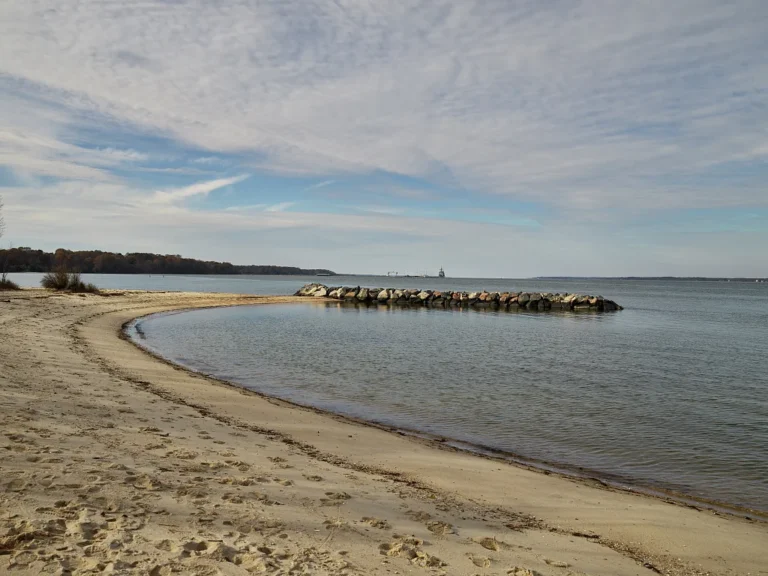
Yorktown & York County
Explore the York River waterfront, historic village streets and the everyday communities of York County. Start with Historic Yorktown for a walk by the water, or Tabb and the Kiln Creek shopping corridor for local errands and services.
Explore the guide →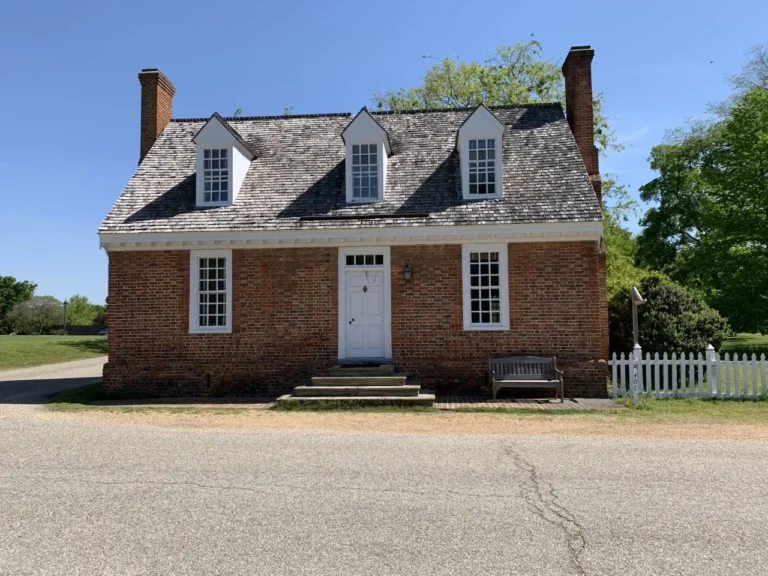
Historic Yorktown
Main Street history and the York River waterfront meet in Historic Yorktown. Plan a visit around the village’s small streets, distinctive buildings and riverfront shopping, with time to move between the bluff and Water Street.
Explore the guide →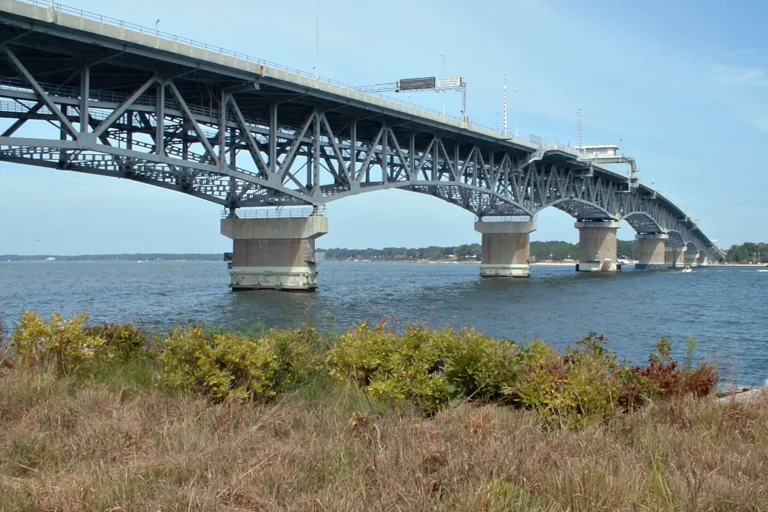
Riverwalk Landing Shopping & Dining
Explore Yorktown’s waterfront shopping area on Water Street, where specialty stores and places to eat can be combined with a walk beside the York River.
Explore the guide →