
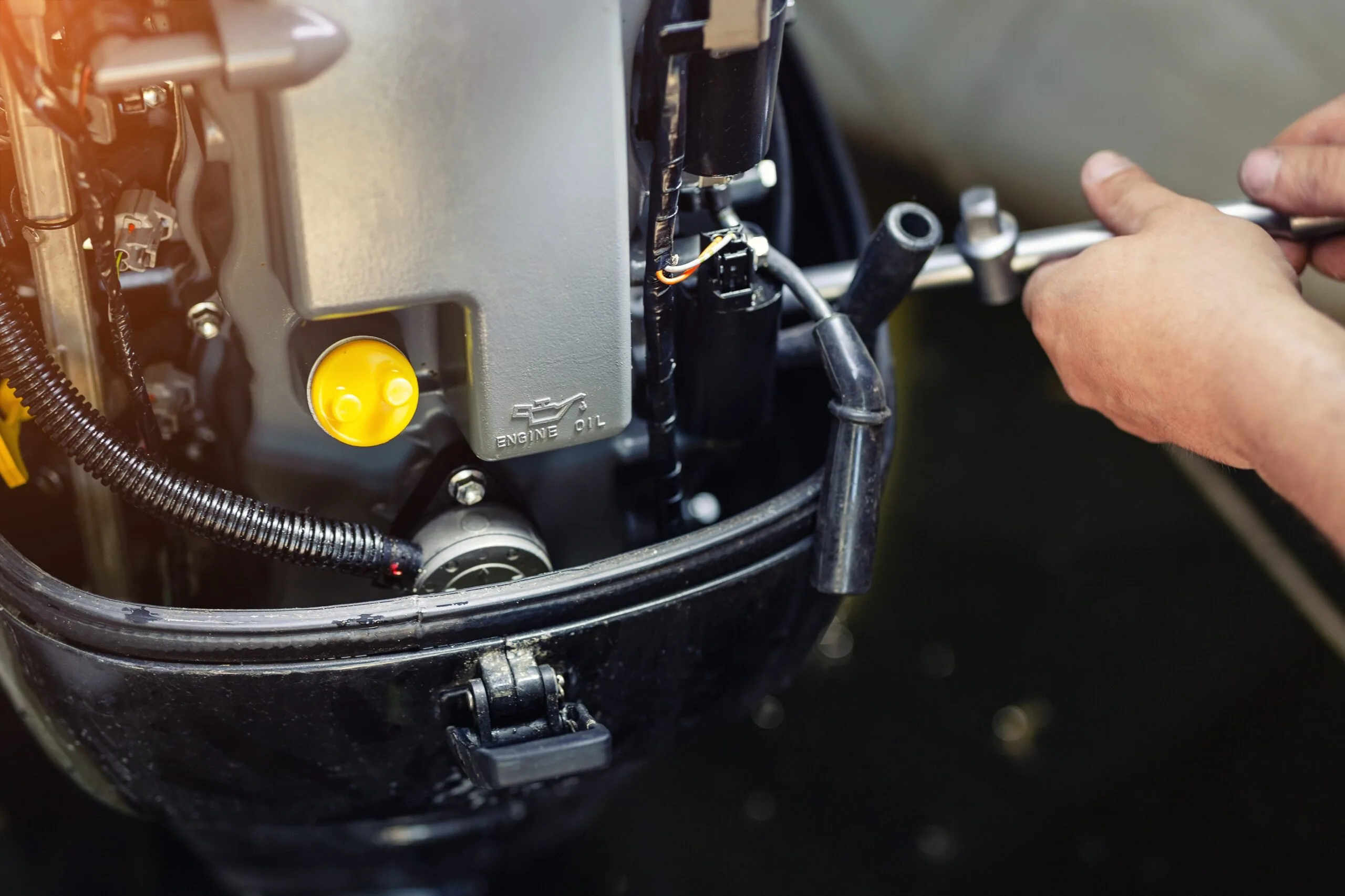
The last pleasant boating day and the storage appointment can arrive surprisingly close together. A little preparation makes the handoff easier: what condition is the boat in, what service is being requested and who is responsible for each part of the storage arrangement?
BoatUS publishes a detailed winterizing guide, and the appropriate process depends on the boat, its equipment and how it will be stored. Use the manufacturer’s instructions and a qualified marine service provider for technical work. This article focuses on planning the appointment and documenting the agreement.
Inventory what you are handing over
Make a dated record of the boat’s condition and the equipment staying aboard. Photograph relevant areas from safe positions. Record existing concerns so they can be discussed before storage instead of discovered in a hurried spring conversation.
Ask the facility what it expects you to remove and what access it needs. Keep keys and access arrangements controlled; do not put sensitive access information in a publicly shared checklist.
Ask for a boat-specific service scope
Give the provider the equipment information and maintenance history it requests. Ask which systems are included in the proposed winter service, which are excluded and what inspection may reveal additional work. Confirm the process for approving a change in scope.
A familiar package name is not a complete description. Two boats can have different equipment and storage needs. Have the provider explain what its proposal means for yours rather than relying on a generic checklist as technical instructions.
Clarify the storage arrangement
Discuss the location, period, access rules, movement of the boat and who to contact about a concern. Ask what monitoring or other services are included, and obtain the facility’s written terms. Review relevant insurance questions with your insurer rather than assuming the storage agreement answers them.
Make the total estimate understandable. Identify service, hauling, storage, materials and any other proposed charges. Confirm payment dates and what happens if pickup or launch is delayed.
Plan the return before you leave
Ask when spring appointments are arranged, who will perform any recommissioning work and what needs to happen before the boat is returned to use. Put the next contact date on your calendar.
Keep the signed scope, condition record, final invoice and service notes together. That file becomes useful maintenance history and a clearer starting point for the next provider.
A practical next step: send your marine service provider the boat details and a list of concerns now. Ask for a written proposal and the preparation it needs from you. The right seasonal plan is specific to the boat, not simply the next open space in storage.

_(4004696189).jpg)
.jpg)
